


The Banned Car That Came Back
Location: Wotton-under-Edge, Gloucestershire, England
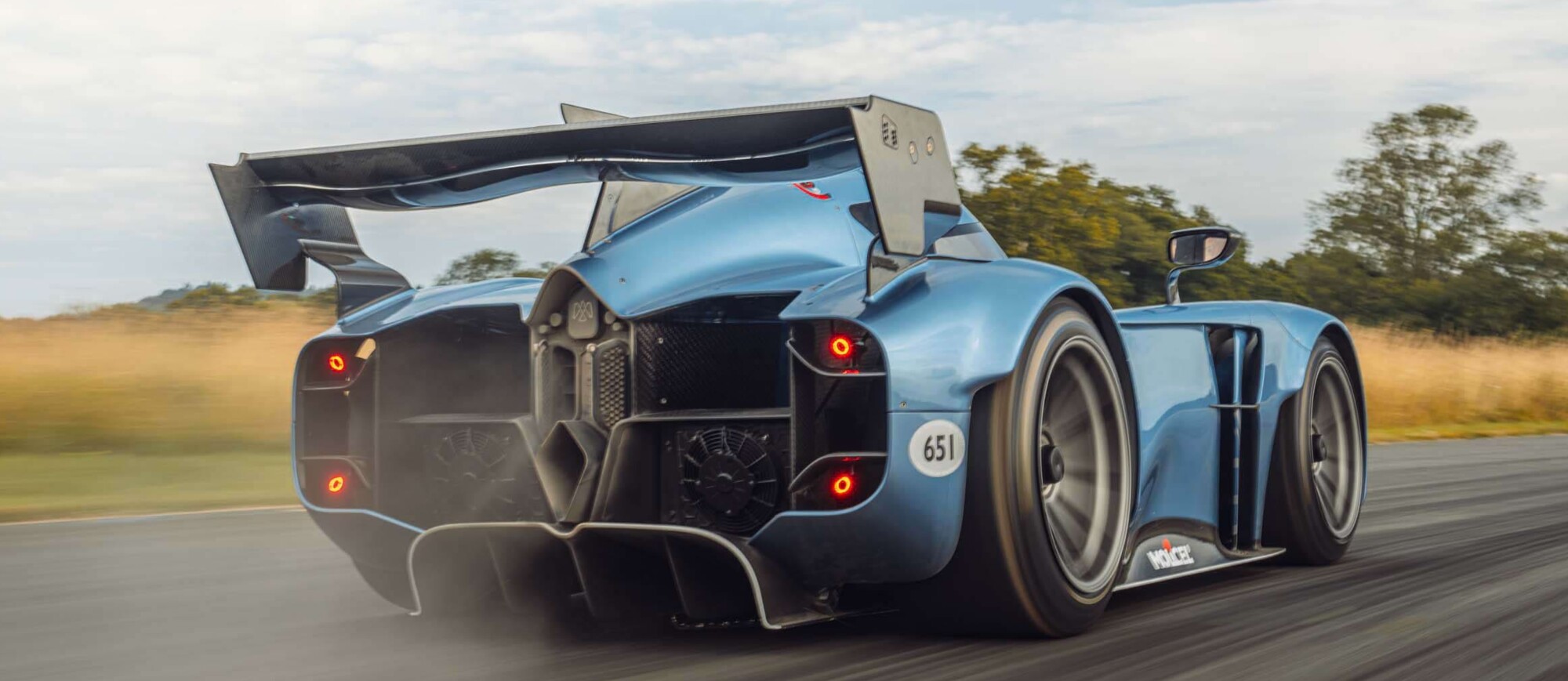
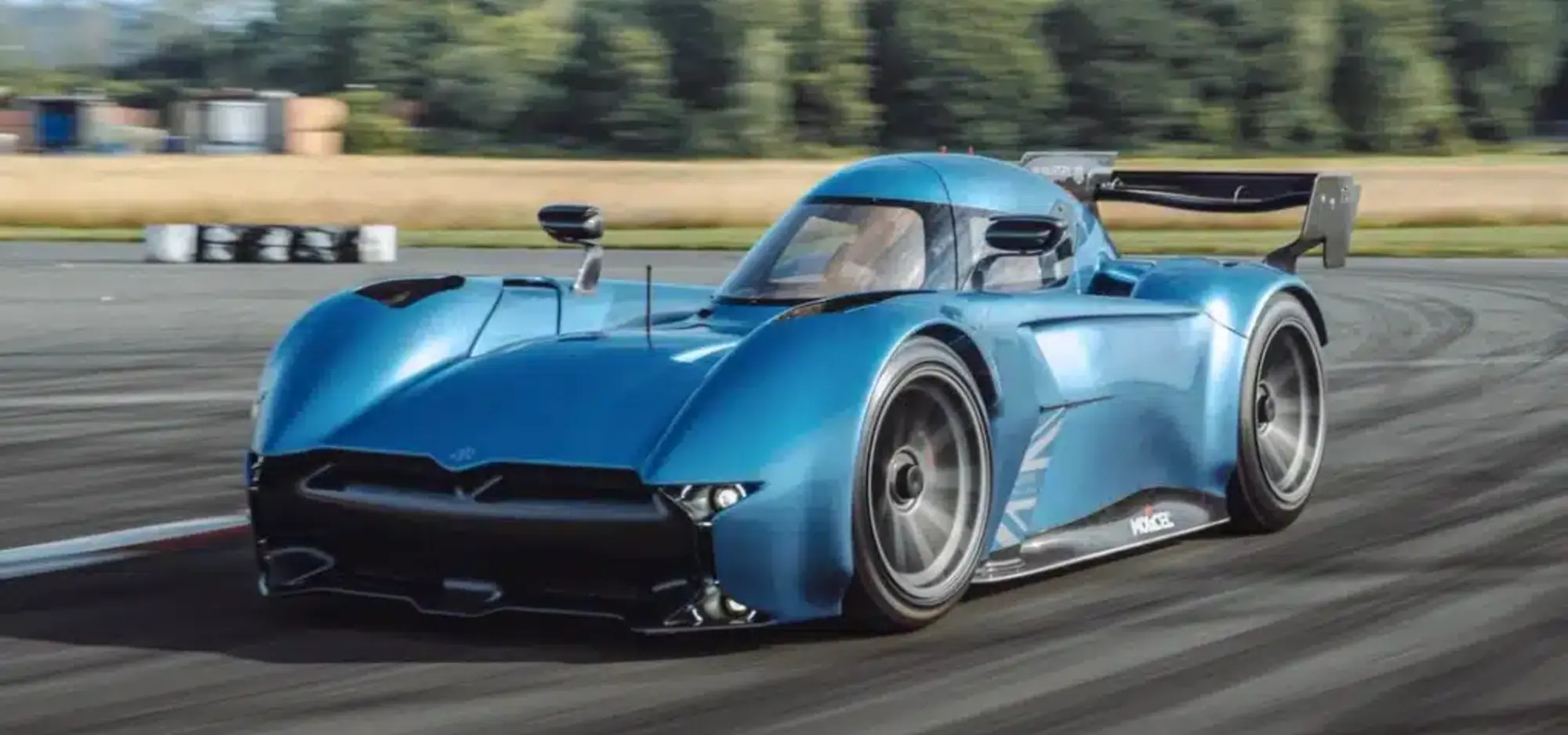
Featured Car: McMurtry Spéirling
Why He Wants This Hypercar Driven to Death
Some hypercars chase a lap time. Others chase an idea the rest of the world gave up on. The McMurtry Spéirling belongs to the latter.
Co-founder and managing director Thomas Yates talks about the car the way few engineers talk about their work — with something close to reverence. The Spéirling revives the fan car: a concept that flickered into motorsport in the late 1970s, proved devastatingly effective, and was effectively banned before it could show what it might become. For Yates, that unfinished story is the whole point. It always felt like a shame, he says, that the system was shut down and never got its chance to come through. Decades later, with the backing of the McMurtry family, he has carried fan downforce into the modern age.
The inspiration runs deeper than nostalgia. Sir David McMurtry — the billionaire inventor whose precision-engineering work reshaped modern manufacturing — built an empire founded, in Yates's words, on honesty and integrity. That ethos shapes the team, which Yates describes without hesitation as a second family.
But the romance is unsentimental. Ask whether he loves the car unconditionally and the answer is immediate: absolutely not. He insists it be driven as hard as physically possible, every single time. The production cars get it worse. "We want to be worse than the customer in every way," he says — so the car can never fail the people who will one day own it.
And when the Spéirling sets a record? Yates feels pride in his team. But the overwhelming personal feeling, he admits, is relief. Motorsport is dangerous, and this car is very, very fast.
The Spéirling is not the product of committees or market research. It is a banned dream — engineered, at last, into reality.